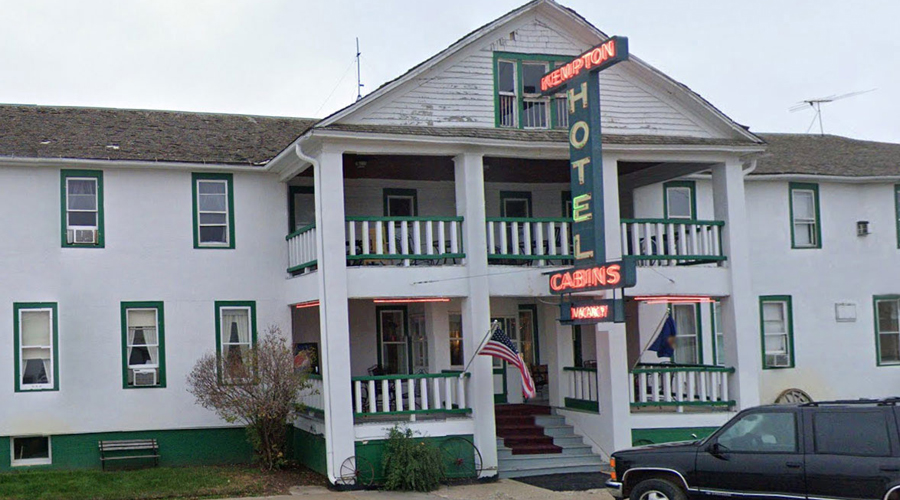

Behind the Scenes: The Unspoken Rhythm That Keeps the Historic Kempton Hotel Running
Every Day
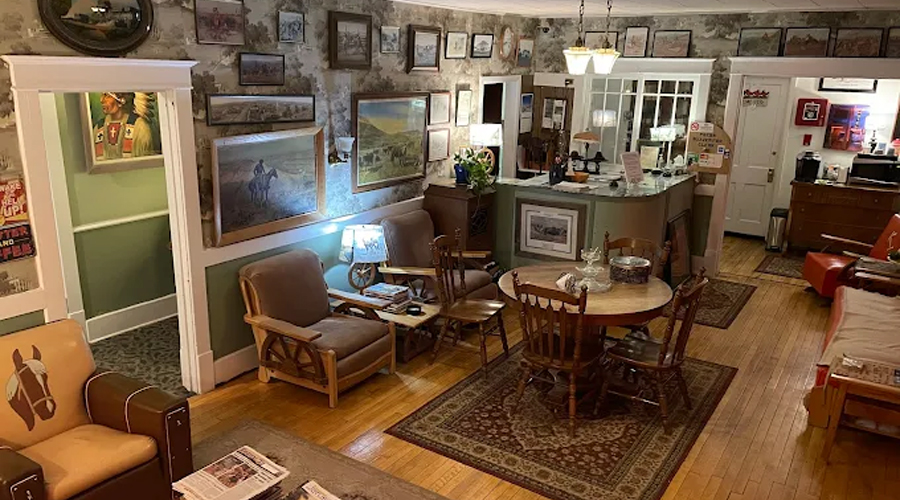
Most people walk into the Historic Kempton Hotel in
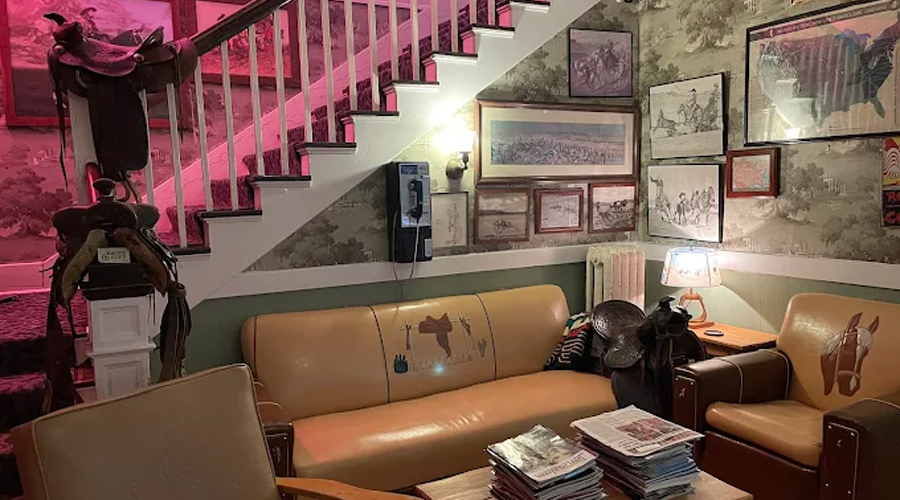
Terry and only see what’s in front of them, the warm lobby lighting, the old
framed photographs, the polished wood that’s been touched by thousands of hands over the
years. They see the calmness first And the history slowly settles in. But behind that
calm, there’s an entire rhythm quietly keeping everything moving. It’s not loud. It’s
not dramatic. It’s more like a steady heartbeat that staff fall into the moment they
start their shift. A lot happens before a single guest walks through the doors. And even
more happens after the last guest has gone up to their room for the night. The hotel has
its own way of waking up, working, slowing down, and ending the day, and anyone who’s
ever spent time behind the desk or in the hallways knows that the real beauty of Kempton
isn’t just the building, it’s the routine that never looks like a routine.
Morning Has Its Own Pace
Early mornings in this historic building feel different from anywhere else. Before the
first footsteps in the lobby, there’s this quiet that feels almost protective. The staff
who come in early get to experience it, a moment where the hotel is still, the doors
haven’t swung open yet, and the light comes in gently through the old windows.
The first thing staff do isn’t rushing. It’s noticing.
- Which guests are checking out first?
- Is the weather going to change the day’s plans?
The age of the building teaches you to look, listen, and prepare.
Guests Arrive Slowly, Then Suddenly All at Once
By late morning, the lobby becomes a crossroads. Someone is asking about breakfast spots
in Terry. Another guest wants to know where the best walking route is. A couple is
heading out for the day and leaves their keys on the counter with a smile. The hotel
starts filling with movement, not rushed, not loud, just steady. One of the things
visitors never notice is how staff adjust themselves constantly. A front desk agent
switches from giving directions to printing confirmations without missing a beat.
Housekeeping moves gradually down the old corridors, mindful of guests still sleeping.
Maintenance checks a hallway light that flickered once the night before. The building
might be historic, but the day-to-day flow feels alive.
Afternoons Carry the Weight of the Details
If you ever walked through the Kempton around noon, you’d see something interesting: the
hotel looks the calmest when the most work is actually happening. This is the time staff
organize the smaller, hidden parts of hospitality. The tasks that guests don’t see but
absolutely feel. Some of these include:
- Checking the condition of older fixtures
- Making sure every room matches its unique layout
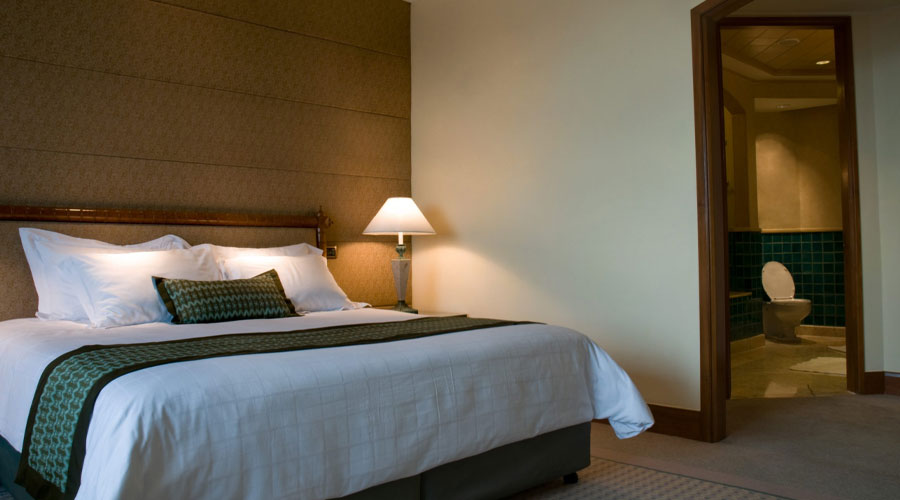
- Preparing linens more carefully because historic rooms vary
- Managing arrivals and early check-in requests
- Updating notes for guests who mentioned special occasions
There’s no rush, just focus. A historic property doesn’t respond well to shortcuts. You
treat it with patience, and in return, it rewards you by running smoothly.
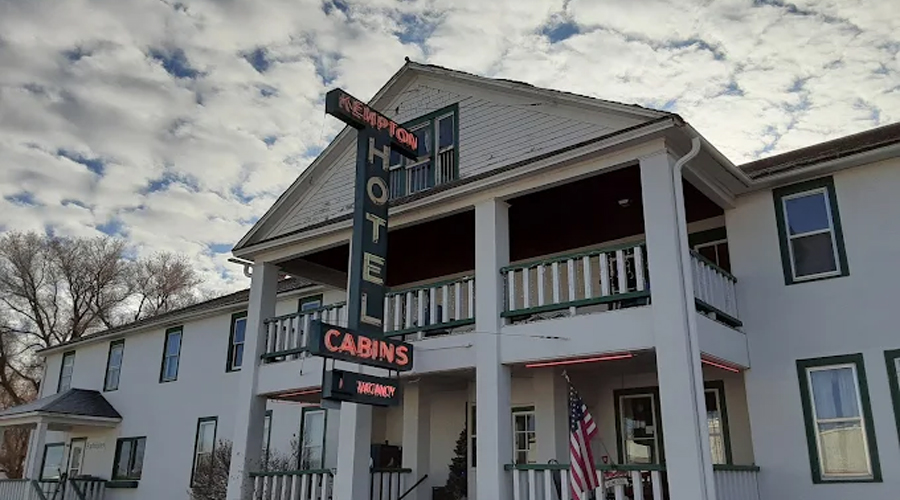
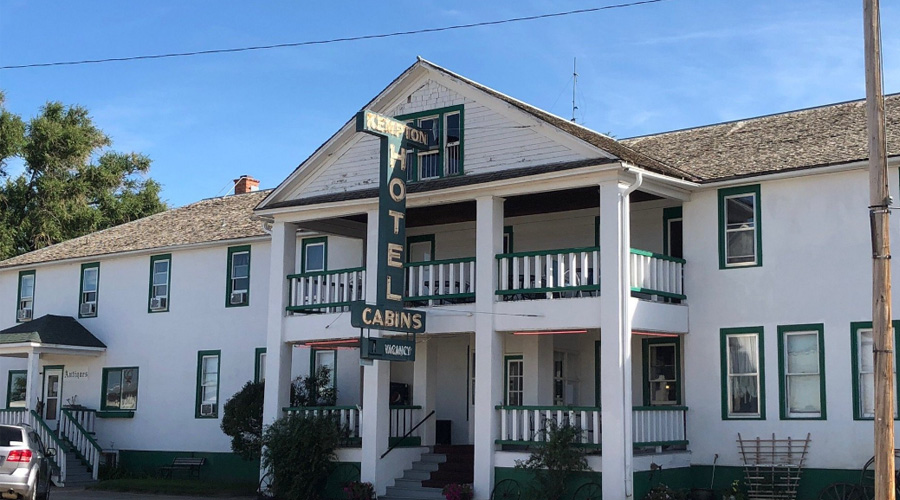
Most people walk into the Historic Kempton Hotel in Terry and only see what’s in front of them, the warm lobby lighting, the old framed photographs, the polished wood that’s been touched by thousands of hands over the years. They see the calmness first And the history slowly settles in. But behind that calm, there’s an entire rhythm quietly keeping everything moving. It’s not loud. It’s not dramatic. It’s more like a steady heartbeat that staff fall into the moment they start their shift. A lot happens before a single guest walks through the doors. And even more happens after the last guest has gone up to their room for the night. The hotel has its own way of waking up, working, slowing down, and ending the day, and anyone who’s ever spent time behind the desk or in the hallways knows that the real beauty of Kempton isn’t just the building, it’s the routine that never looks like a routine.
Morning Has Its Own Pace
Early mornings in this historic building feel different from anywhere else. Before the first footsteps in the lobby, there’s this quiet that feels almost protective. The staff who come in early get to experience it, a moment where the hotel is still, the doors haven’t swung open yet, and the light comes in gently through the old windows.
The first thing staff do isn’t rushing. It’s noticing.
- Which guests are checking out first?
- Is the weather going to change the day’s plans?
The age of the building teaches you to look, listen, and prepare.
Guests Arrive Slowly, Then Suddenly All at Once
By late morning, the lobby becomes a crossroads. Someone is asking about breakfast spots in Terry. Another guest wants to know where the best walking route is. A couple is heading out for the day and leaves their keys on the counter with a smile. The hotel starts filling with movement, not rushed, not loud, just steady. One of the things visitors never notice is how staff adjust themselves constantly. A front desk agent switches from giving directions to printing confirmations without missing a beat. Housekeeping moves gradually down the old corridors, mindful of guests still sleeping. Maintenance checks a hallway light that flickered once the night before. The building might be historic, but the day-to-day flow feels alive.
Afternoons Carry the Weight of the Details
If you ever walked through the Kempton around noon, you’d see something interesting: the hotel looks the calmest when the most work is actually happening. This is the time staff organize the smaller, hidden parts of hospitality. The tasks that guests don’t see but absolutely feel. Some of these include:
- Checking the condition of older fixtures
- Making sure every room matches its unique layout
- Preparing linens more carefully because historic rooms vary
- Managing arrivals and early check-in requests
- Updating notes for guests who mentioned special occasions
There’s no rush, just focus. A historic property doesn’t respond well to shortcuts. You treat it with patience, and in return, it rewards you by running smoothly.